Call Us: +234-9065359673 | +234-9031925416
Call Us: +234-9065359673 | +234-9031925416
At G.I.E.C Ltd. every project is a story of vision, precision, and craftsmanship. From modern homes and innovative commercial spaces to large-scale engineering works and transformative renovations, our portfolio reflects our dedication to quality and innovation. Explore our project gallery to see how we bring ideas to life—on time, on budget, and built to last.
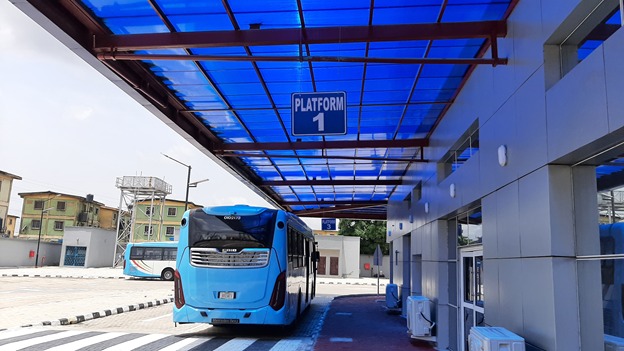
Lagos Strategic Transport Master Plan Project – Phase One (LSTMPP1)
Status: Ongoing (2024)
Client: Lagos State Government (LASG)
Executing Agency: Lagos Metropolitan Area Transport Authority (LAMATA)
Funding: Agence Française de Développement (AFD) – EUR 178 Million
The Quality Bus Corridors (QBCs) and Multimodal Transport Interchange Project is a flagship urban transport initiative under Phase One of the Lagos Strategic Transport Master Plan Project (LSTMPP1). The project is designed to support Lagos State’s long-term transport sector policy by establishing a sustainable, integrated, and multimodal public transport system that reflects the city’s megacity status.
The project involves the development of four (4) Quality Bus Corridors and two (2) major Multimodal Transport Interchanges located at Marina and Mile 2. These interchanges are strategically planned to connect the Bus Rapid Transit (BRT) network with the Lagos Rail Mass Transit (LRT) system and the Inland Waterways Transport (IWT) system, significantly improving intermodality, accessibility, and commuter convenience across key transport corridors in Lagos.
Scope of Infrastructure Development
The implementation of the Quality Bus Corridors and Interchanges includes the construction and rehabilitation of critical transport infrastructure such as bus terminals, bus depots, passenger shelters, lay-bys, pedestrian walkways, and intermodal transfer facilities. The project also covers the rehabilitation and maintenance of strategic road networks and drainage systems required to support long-term operational efficiency and climate resilience.
In addition to physical infrastructure, the project focuses on improving traffic management, road safety, pedestrian accessibility, and connectivity between transport modes. Upon completion, the project is expected to directly benefit at least 1.5 million residents, reducing travel times, easing congestion, and improving the overall reliability of public transportation in Lagos.
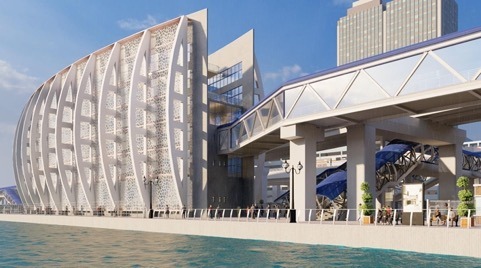
The Marina Transport Interchange Project is a key component of Lagos’ emerging multimodal transport network, aimed at improving connectivity between rail, road, and pedestrian movement within the Marina axis.
GIEC is currently providing environmental and social safeguard support for the project, with activities focused on ensuring compliance with applicable regulatory requirements and approved project frameworks. Our involvement includes supporting stakeholder engagement processes and managing identified environmental and social considerations associated with the ongoing works.
As the project progresses, safeguard activities will continue to be aligned with statutory obligations and best practice standards to support orderly implementation and minimize disruption within this high-activity urban environment.
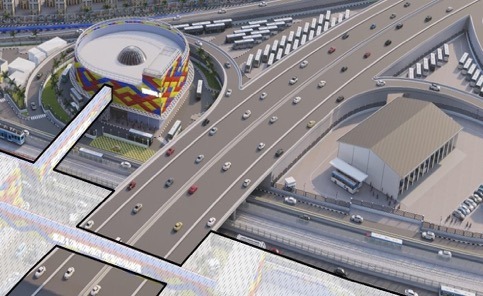
The Mile 2 Transport Interchange Project is designed to improve connectivity and passenger movement at one of Lagos’ busiest transport nodes, supporting integration between rail, road, and pedestrian networks.
GIEC is providing environmental and social safeguard support for the project, with activities focused on stakeholder engagement, management of social considerations, and alignment with applicable regulatory requirements. Our involvement supports the orderly implementation of project activities within a highly active urban environment.
Safeguard processes are being applied to help minimize disruption, support compliance, and ensure that environmental and social risks are appropriately managed as the project progresses.
The Purple Line is envisioned as a cross-city rail corridor linking residential, commercial, and industrial districts across Lagos. The line is intended to strengthen both east–west and north–south connectivity, improve access between peripheral and core urban areas, and reduce long-term reliance on private vehicles.
GIEC prepared the Environmental and Social Impact Assessment (ESIA) for the Purple Line in support of African Development Bank (AfDB) financing for the project. The ESIA assessed potential environmental and social risks associated with the proposed corridor and established mitigation measures in line with AfDB safeguard requirements and applicable national regulations.
The Purple Line is expected to:
As a cross-city rail project, the Purple Line highlights the importance of early-stage environmental and social assessment in shaping corridor alignment, reducing future displacement risks, and ensuring that large-scale transport investments remain environmentally responsible and socially sustainable.
The Red Line connects Lagos’ northern suburbs to Lagos Island by leveraging existing railway corridors, providing a high-capacity commuter route between residential areas and major employment hubs. By utilising an established rail alignment, the project reduces new land take while significantly improving connectivity and operational efficiency.
GIEC has been engaged by the Lagos State Government through the Lagos Metropolitan Area Transport Authority (LAMATA) to deliver environmental and social safeguard services for the Lagos Rail Mass Transit Red Line and associated infrastructure projects. Our scope of work includes the Environmental and Social Impact Assessment (ESIA), Resettlement Action Plan (RAP), and the ongoing implementation of the RAP.
As part of RAP implementation on the Red Line, GIEC has carried out:
Stakeholder engagement and consultations with affected communities and property owners
Asset verification, valuation, and revalidation exercises
Compensation payment to affected property owners and Project Affected Persons (PAPs)
Property acquisition and right-of-way clearance to support rail construction and operations
These activities are being implemented in line with statutory requirements, approved safeguard instruments, and applicable donor and state compliance frameworks, ensuring social risks are effectively managed while maintaining project momentum.
Key benefits of the Red Line include:
Faster and more reliable travel between residential suburbs and employment centres
Improved integration with road transport and multimodal interchanges
Support for transit-oriented development along the corridor
The Red Line underscores the importance of combining strategic corridor planning with robust ESIA processes and effective RAP implementation to deliver high-impact rail infrastructure with managed environmental and social outcomes.
Oyo State – Completed
Ibadan Drainage Masterplan – World Bank Urban Flood Management Project
GIEC prepared the Environmental and Social Impact Assessment and Resettlement Action Plan for the Construction Works at the Second Pools of Priority Sites as Identified by Ibadan Drainage Masterplan under the World Bank Ibadan Urban Flood Management Project in Oyo State for Oyo State Government/ World Bank (2021).
To address persistent flooding challenges in Ibadan, the Oyo State Government established the Ibadan Urban Flood Management Project (IUFMP) as a long-term, integrated flood control initiative. The project is funded by the World Bank and implemented through the Project Implementation Unit (PIU).
Global Impact Environmental Consulting Limited contributed to the second pool of priority sites, which involved the preparation of an Environmental and Social Impact Assessment (ESIA) and a Resettlement Action Plan. The scope covered the channelization of the Ona River downstream of Eleyele Dam, replacement and expansion of existing hydraulic structures along the river channel, and the construction of seventeen attenuation dikes across the upper and middle catchments of the Ona River.
The primary objective of the project is to significantly reduce flood risk and improve urban resilience within the City of Ibadan.
Lagos State – (Completed).
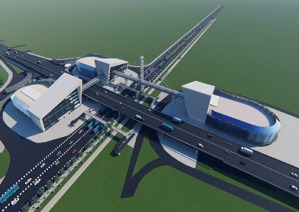
GIEC prepared the Environmental and Social Impact Assessment (ESIA) for the Proposed Oshodi Transport Interchange Project in Lagos State for Lagos State Government / Planets Projects (2018).
As part of Lagos State Government’s commitment to improving public infrastructure and urban mobility through Public Private Participation, the Oshodi Transport Interchange project was initiated to deliver a world-class transport hub in one of Lagos’ busiest corridors.
The project comprises three multi-storey bus parks and terminals. Each terminal consists of four floors with an approximate floor area of 30,000 square meters, supported by various ancillary facilities. These include intercity and intra-city bus parking areas, pedestrian walkways linking the terminals to major bus stops, and dedicated private car parks, among other supporting infrastructure.
The project significantly enhances traffic flow, commuter safety, and transport efficiency within the Oshodi axis and across Lagos State.
Lagos State – (Completed).
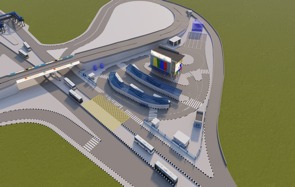
GIEC was contracted in 2022 to undertake the Preparation of Environmental and Social Management Plan (ESMP), Resettlement Action Plan (RAP) for the Iyana Ipaja Bus Terminal Development project and Supervision of the Implementation of RAP Studies for the proposed project.
This project involved the comprehensive road remodeling, rehabilitation, and development of a modern bus terminal and its associated facilities. The scope of work included the construction of one external bus stop and lay-by, expansion of existing road alignments, and refurbishment of critical transport infrastructure.
Key components of the project included upgraded drainage systems, pedestrian walkways, roundabouts, LAMATA bus boarding and alighting platforms, shelters, road signage, road markings, lighting improvements, junction upgrades, and elevated pedestrian crossings linking directly to the proposed bus terminal.
The terminal was developed to fully meet LAMATA standards for urban commuting and was designed to integrate seamlessly with existing land-based transport systems under the Lagos Urban Transport Project (LUTP), including the Bus Rapid Transit (BRT) system and the Pilot Bus Franchise Scheme.
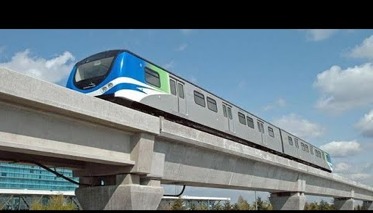
The Blue Line is Lagos’ first operational urban rail corridor and a major milestone in the city’s transport evolution. Running along a critical east–west axis, the line serves densely populated residential communities and key commercial districts, while providing an efficient alternative to some of the city’s most congested road corridors.
GIEC has been involved in environmental and social safeguard activities associated with the Blue Line, including the Environmental and Social Impact Assessment (ESIA) and the Resettlement Action Plan (RAP), as well as ongoing RAP implementation activities along sections of the corridor.
Our RAP implementation work for the Blue Line has included:
These activities have been carried out to ensure compliance with statutory requirements, safeguard frameworks, and approved project documentation, while supporting uninterrupted project execution.
The strategic importance of the Blue Line includes:
The Blue Line demonstrates how rail mass transit, when supported by robust ESIA processes and effective RAP implementation, can reshape daily commuting patterns, strengthen urban mobility, and deliver infrastructure that is both operationally efficient and socially responsible.
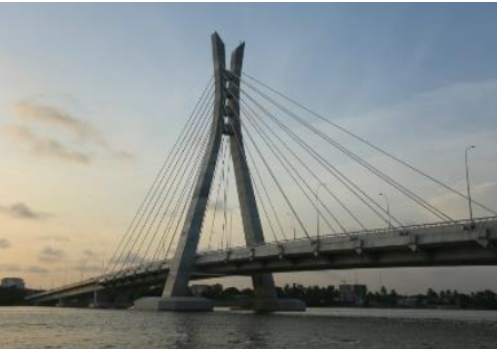
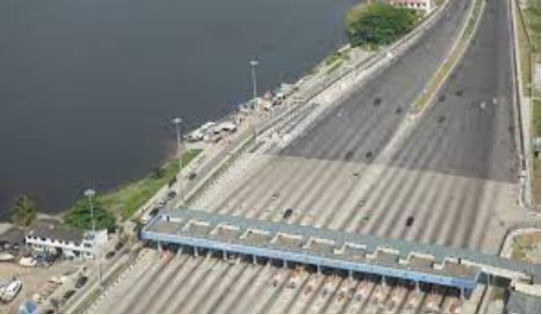
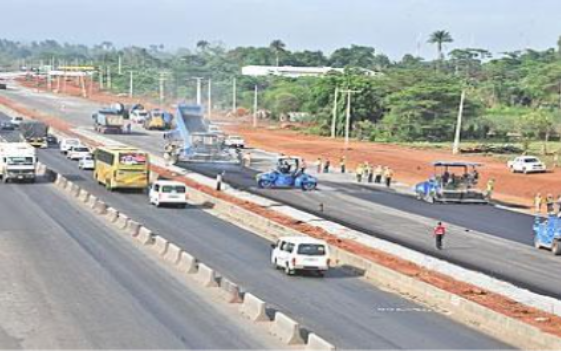
Engineering Sustainable Infrastructure with Environmental Integrity. G.I.E.C Ltd. delivers project that stands the test of time.