
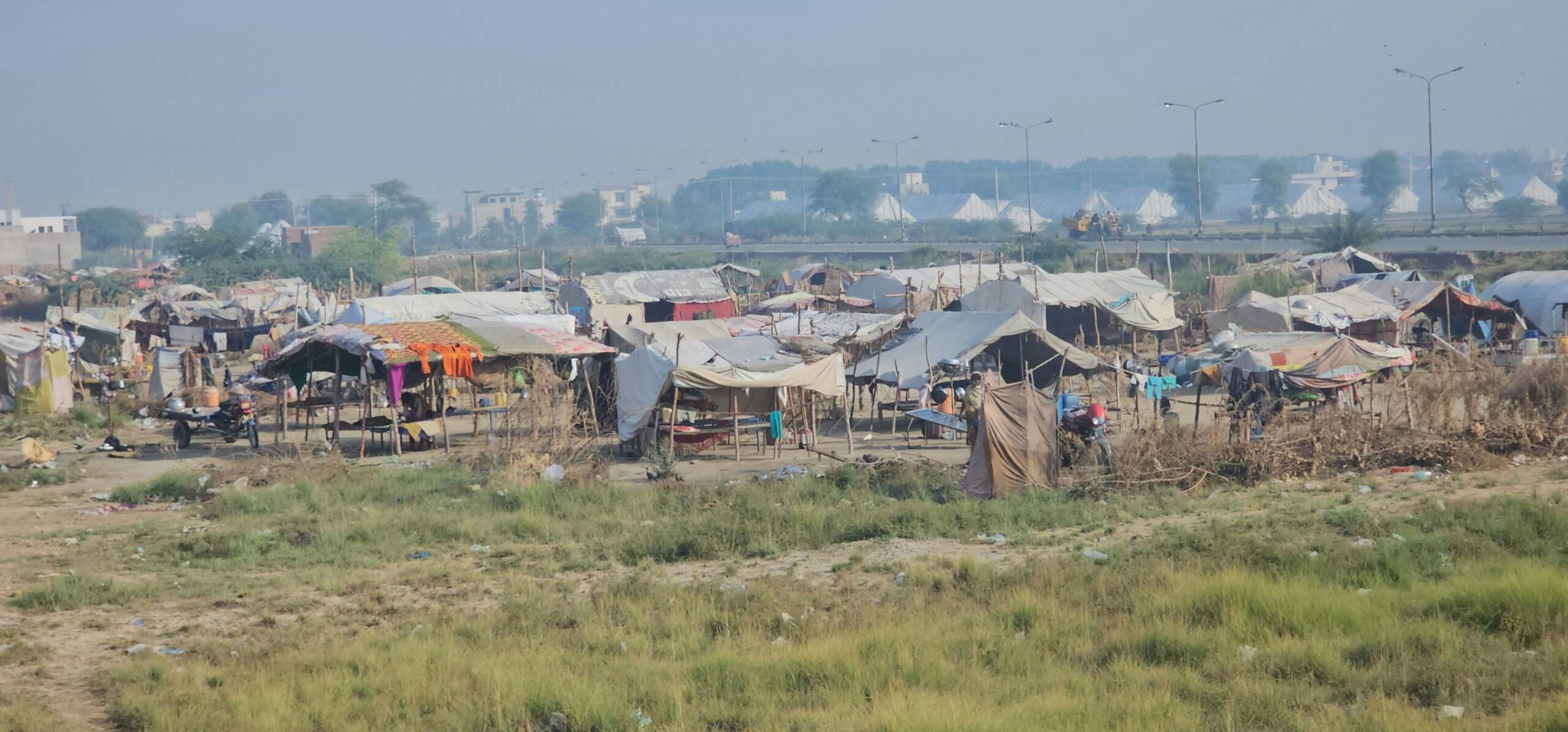
Resettlement Action Plan Implementation in Infrastructure Projects: GIEC’s Field-Driven Experience in Nigeria
Resettlement Action Plans (RAPs) are a critical safeguard in the delivery of large-scale infrastructure projects in Nigeria. While RAP preparation is often treated as a regulatory milestone, experience has shown that effective implementation is what ultimately determines project continuity, community acceptance, and long-term success.
At Global Impact Environmental Consulting (GIEC), our work across transport, urban infrastructure, and donor-funded projects has consistently involved hands-on RAP implementation, including stakeholder engagement, asset verification and revalidation, compensation payment to Project Affected Persons (PAPs), and property acquisition for right-of-way clearance. These activities form a core part of social risk management and are essential to keeping infrastructure projects on track.
RAP Implementation in the Nigerian Infrastructure Context
In Nigeria, Resettlement Action Plans are required for projects that involve physical or economic displacement. RAPs are governed by national legislation, state-level regulations, and, for donor-funded projects, international safeguard frameworks such as those of the World Bank.
However, RAP compliance does not end with documentation. Implementation must be carried out in accordance with approved frameworks, ensuring that:
- Affected persons are accurately identified and verified
- Assets are valued fairly and transparently
- Compensation is paid prior to displacement
- Grievance mechanisms are functional and accessible
From GIEC’s experience, projects that treat RAP implementation as a structured execution process, rather than an administrative obligation, are far more likely to progress without disruption.
GIEC’s Approach to RAP Implementation
Our approach to RAP implementation is grounded in field presence, data accuracy, and continuous engagement. We work closely with project proponents, government agencies, and affected communities to ensure that resettlement processes are transparent, compliant, and defensible.
Key components of our RAP implementation activities include:
Stakeholder Engagement and Community Interface
We conduct structured stakeholder engagement sessions with affected persons, community leaders, and local representatives. These engagements ensure that project scope, resettlement procedures, compensation frameworks, and grievance channels are clearly understood.
Asset Verification and Revalidation
Between RAP preparation and the commencement of construction, site conditions and ownership status may change. As part of RAP implementation, we (GIEC) carry out asset verification, valuation, and revalidation exercises to confirm the current status of affected structures, businesses, land, and other assets.
This process includes reviewing and validating asset inventories, updating valuation records in line with approved compensation frameworks, and confirming eligibility of Project Affected Persons (PAPs) before compensation is finalized. Proper verification and revalidation of affected asset values are critical in ensuring fairness, transparency, regulatory compliance, and in minimizing disputes during compensation and right-of-way clearance.
Compensation Payment to Project Affected Persons
GIEC supports transparent and well-documented compensation payment processes in line with approved RAPs, regulatory requirements, and applicable donor safeguards. Compensation exercises are carried out prior to displacement and with clear communication to PAPs.
Property Acquisition and Right-of-Way Clearance
For transport and rail infrastructure projects, RAP implementation often involves the acquisition of affected properties to create clear right-of-way. Our role includes coordinating acquisition processes, supporting compliance, and ensuring alignment with statutory and safeguard requirements.
Field Experience from Transport and Urban Infrastructure Projects
GIEC’s RAP implementation experience is strongly informed by ongoing and completed infrastructure projects, particularly in dense urban environments where social impacts are most pronounced.
Lagos Rail and Transport Infrastructure Projects (Ongoing)
On ongoing rail and transport infrastructure projects in Lagos, GIEC has been directly involved in executing RAP implementation activities at key locations including Mile 2 (Loop 1 and Loop 4) and Marina Access Road 5.
Our activities have included:
- Stakeholder engagement with affected communities
- Asset verification and revalidation exercises
- Compensation payment to PAPs
- Acquisition of affected properties to establish right-of-way
These activities, carried out between 2023 and 2024, have supported uninterrupted project execution, reduced community resistance, and strengthened regulatory compliance.
World Bank–Assisted Urban and Environmental Projects
Ibadan Urban Flood Management Project – Oyo State
Under the Ibadan Urban Flood Management Project, funded by the World Bank, GIEC prepared the Environmental and Social Impact Assessment (ESIA) and Resettlement Action Plan (RAP) for flood mitigation works along the Ona River downstream of Eleyele Dam, including channelization and construction of attenuation dikes.
This project reinforced the importance of aligning RAP frameworks with World Bank safeguard policies, particularly for projects affecting multiple communities and livelihoods.
Ibore and Ewu Gully Erosion Remediation – Edo State
For the Ibore and Ewu gully erosion sites under the Nigeria Erosion and Watershed Management Project (NEWMAP), GIEC prepared the Environmental and Social Management Plan (ESMP) addressing land use, safety, and displacement-related risks associated with erosion control works.
While primarily an ESMP assignment, the project strengthened GIEC’s experience in managing resettlement and social safeguards within donor-funded environmental remediation initiatives.
Case Study Summary of GIEC’s RAP-Related Projects
| Project | Location | GIEC Role | Year |
|---|---|---|---|
| Lagos Rail & Transport Infrastructure Projects | Mile 2 (Loop 1 & 4), Marina Access Road 5, Lagos | RAP Implementation: Stakeholder Engagement, Asset Revalidation, Compensation Payment, Property Acquisition | 2023–2024 (Ongoing) |
| Ibadan Urban Flood Management Project (World Bank Assisted) | Ibadan, Oyo State | ESIA & RAP Preparation for Flood Mitigation Works | 2016–2017 |
| Ibore & Ewu Gully Erosion Remediation (NEWMAP – World Bank) | Edo State | ESMP Preparation (Social & Resettlement Risk Management) | 2017 |
Why RAP Implementation Determines Project Outcomes
From GIEC’s field experience, projects with weak or delayed RAP implementation often face:
- Community resistance and work stoppages
- Legal disputes and compensation claims
- Schedule overruns and cost escalation
In contrast, projects supported by structured RAP implementation benefit from:
- Faster right-of-way clearance
- Improved stakeholder trust
- Stronger compliance with regulators and donors
- Smoother construction sequencing
RAP implementation is therefore not a peripheral task. It is a core project execution function.
Conclusion
Resettlement Action Plan implementation is a decisive factor in the successful delivery of infrastructure projects in Nigeria. Beyond compliance, it directly affects community relations, project timelines, and long-term sustainability.
At GIEC, our experience in executing stakeholder engagement, asset revalidation, compensation payment, and right-of-way acquisition across transport, flood management, and donor-funded projects underscores the importance of approaching resettlement as a structured, transparent, and people-centered process.
When RAPs are implemented effectively, infrastructure projects are better positioned to deliver lasting value while maintaining social acceptance and regulatory confidence.